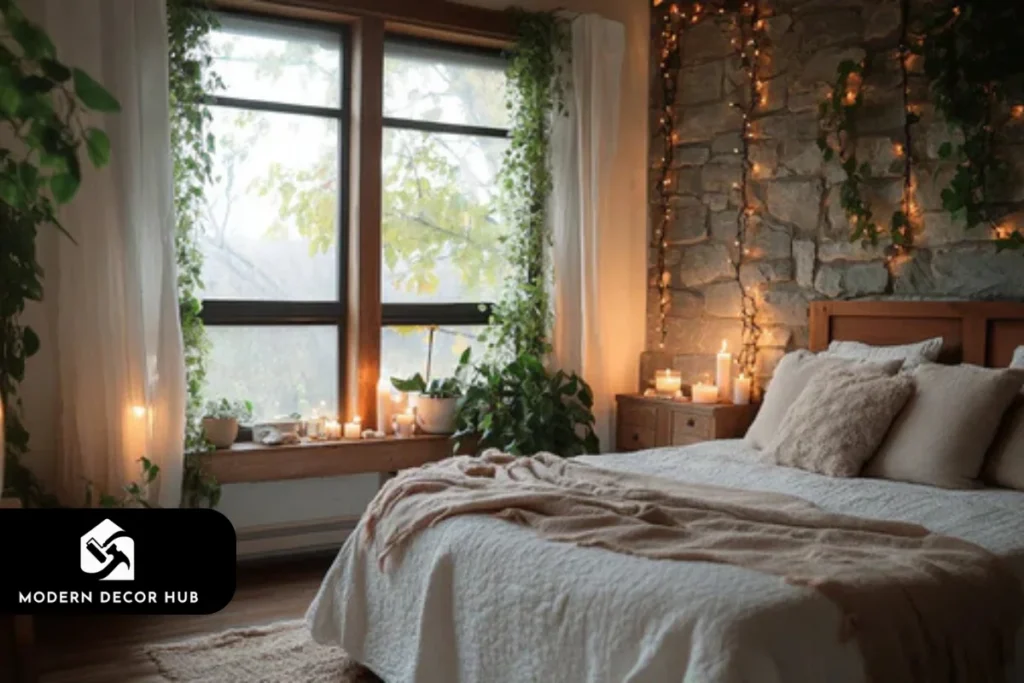
Does your living room feel a bit… 2019? We’ve all been there scrolling through Pinterest, looking at $5,000 Italian velvet sofas, and then glancing back at our bank accounts with a sigh. But here’s the reality for 2026: Luxury is no longer about the price tag; it’s about the strategy.
With inflation shifting how Americans spend, economy home decor has evolved from “cheap alternatives” to “smart, sustainable choices.” You don’t need a massive renovation to make your USA home feel like a high-end sanctuary. Whether you’re in a compact New York apartment or a suburban Texas home, these budget-friendly strategies will help you master home decor ideas that look expensive but cost less than your monthly grocery bill.
Table of Contents
The “Quiet Luxury” Shift in Economy Home Decoration
In 2026, the trend has moved away from fast-furniture and toward “Curated Economy.” This means buying fewer, better things or DIY-ing pieces to look bespoke. The secret to economy home decoration today is texture and lighting.
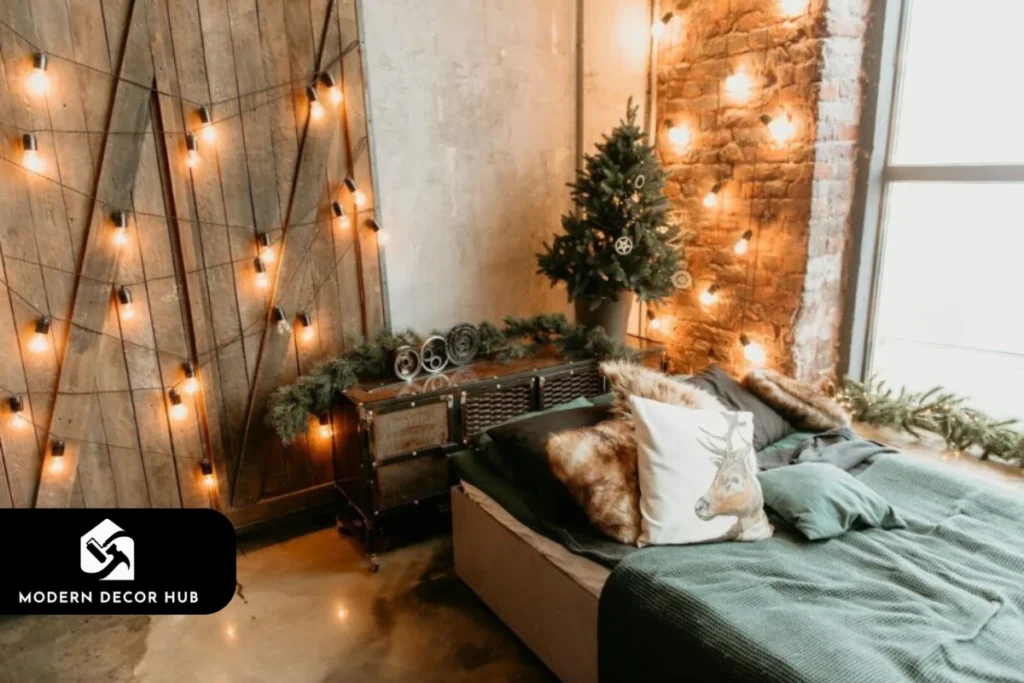
Instead of buying a new set of furniture, focus on “micro-updates.” A coat of limewash paint or swapping out plastic cabinet handles for brushed brass hardware can elevate a kitchen instantly. Americans are increasingly looking for ways to blend functionality with aesthetics without the “designer” markup.
Top Economy Home Decor Trends for 2026
What does economy home decor for 2026 actually look like? It’s a mix of nostalgia and high-tech efficiency.
- Earth-Tone Minimalism: Think terracotta, sage green, and warm beige. These colors make small spaces feel expansive and expensive.
- Upcycled Statement Pieces: Thrifting is the new luxury. A $20 FB Marketplace wooden table, sanded and stained, can outperform a $600 brand-name piece.
- Smart Lighting: LED strips and smart bulbs that adjust color temperature based on the time of day are now incredibly affordable and add an instant “custom home” vibe.
5 Brilliant Home Decor Ideas That Save You $1,000+
If you want to refresh your home this weekend, try these high-impact, low-cost moves:
- The “Rule of Three” Styling: Arrange your coffee table items in groups of three with varying heights. It’s a free trick used by professional stagers.
- Thrift-Flip Art: Buy large, ugly framed art from Goodwill, paint over the canvas with a textured “Spackle Art” technique, and you have a custom gallery piece.
- Peel-and-Stick Sophistication: From vinyl floor tiles to backsplash “marble,” the quality of rentals-friendly DIY materials in 2026 is at an all-time high.
- Maximize Natural Light: Swap heavy drapes for sheer linens. It’s an economy home decoration staple that makes any room feel airy.
- Indoor Greenery: Large-leaf plants like the Fiddle Leaf Fig (or high-quality faux versions) fill empty corners more cheaply than furniture.
Where to Shop: USA Budget Decor Guide
To master economy home decor, you need to know where the pros shop. It’s not just about IKEA anymore.
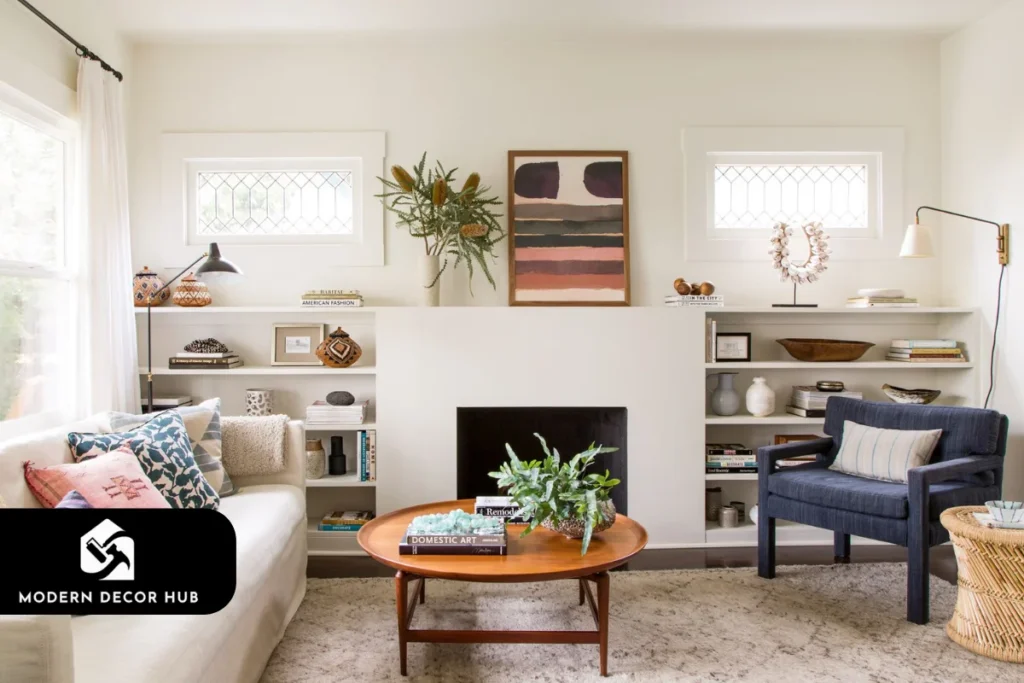
- Target (Hearth & Hand): Perfect for that high-end farmhouse aesthetic.
- HomeGoods/TJ Maxx: Best for unique lamps and high-quality rugs at 60% off.
- Estate Sales: Use apps like EstateSales.net to find high-quality, solid wood furniture in older USA neighborhoods for pennies on the dollar.
Pro-Tip: Always check the “Open Box” section on sites like Wayfair or Overstock. You can often find items with a tiny scratch for 50-70% off the original price.
Expert Tips: Common Budget Decorating Mistakes to Avoid
As a stylist, I see people waste money on “economy” items that actually look cheap. Avoid these:
- Buying “Sets”: Matching bedroom or living room sets look dated. Mix textures instead.
- Undersized Rugs: A small rug makes a room look tiny. If you can’t afford a large rug, layer a small expensive one over a large, cheap jute rug.
- Ignoring Scale: Tiny decor on a big wall looks cluttered. Go big or go home!
Pros & Cons of Economy Home Decorating
| Feature | Pros | Cons |
| Cost | Significant savings; debt-free styling. | Requires more time for research/DIY. |
| Sustainability | Upcycling reduces landfill waste. | Some budget materials have shorter lifespans. |
| Creativity | Your home will look unique and personal. | Requires a “vision” and some elbow grease. |
Pricing Estimates for 2026 Home Refresh
While costs vary by state, here’s what you should expect to spend on an economy home decoration project in the USA:
- Room Repaint (DIY): $50 – $100 (including supplies).
- Gallery Wall (Thrifted): $30 – $70.
- New Hardware (Kitchen): $40 – $120.
- Lighting Upgrade: $20 – $80 per fixture.
Final Thought
Redesigning your space doesn’t require a second mortgage. By focusing on economy home decor for 2026, you’re choosing a path that is both financially responsible and creatively fulfilling. Remember, the best homes aren’t built in a day at a showroom; they are curated over time with smart finds and personal touches.
For more inspiration on future-proofing your space, check out our guide on Home Trends 2026: Smart, Sustainable & Stylish Living Ideas.
FAQs: Economy Home Decoration in 2026
Q: Is economy home decor durable?
A: It depends on the material. Solid wood thrifted furniture is often more durable than new, expensive “particle board” furniture.
Q: How can I make my rental look expensive on a budget?
A: Focus on “removable” upgrades: peel-and-stick wallpaper, plug-in sconces, and upgraded rug pads.
Q: What is the biggest decor trend for 2026 in the USA?
A: “Biophilic Budgeting” bringing nature indoors through affordable greenery and natural materials like cork and bamboo.