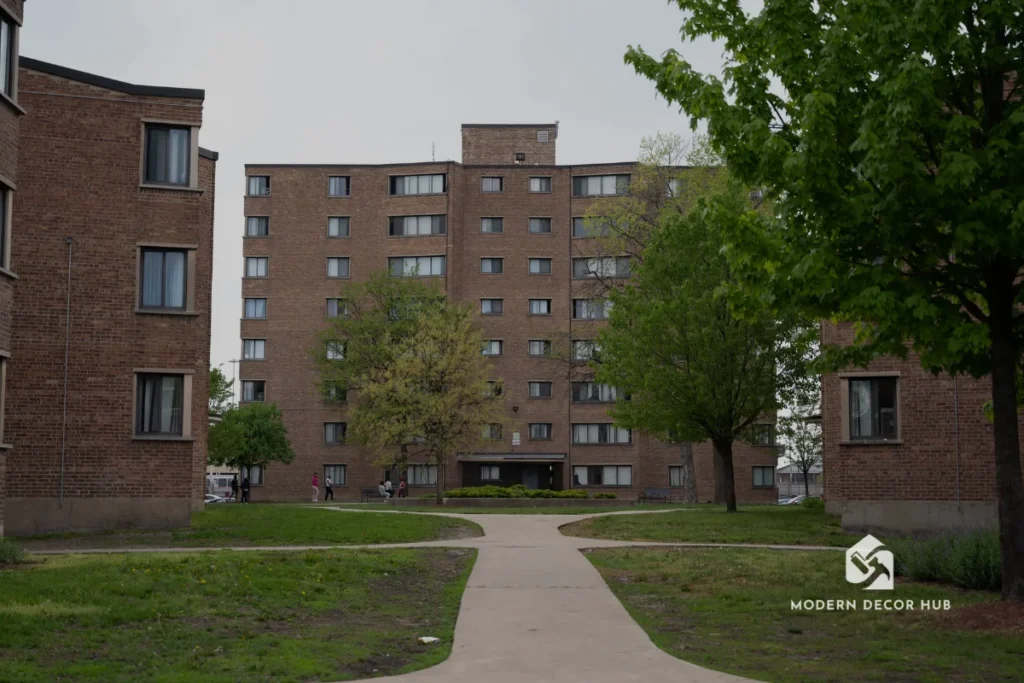
Parkway Gardens is one of Chicago’s best-known residential communities, with distinctive architecture and a rich cultural history. For decades, it has served as home to thousands of residents and a symbol of the city’s public housing legacy. Recently, rumors about potential sales and redevelopment plans have stirred conversation among locals, urban planners, and Chicago enthusiasts alike. Understanding Parkway Gardens means looking at its history, current changes, and what they mean for the community.
A Brief History of Parkway Gardens
Architects built Parkway Gardens in the mid-20th century as a large public housing project. It aimed to provide affordable homes on Chicago’s South Side.
Over the years, the community has faced common challenges. These include economic pressures, social issues, and building maintenance concerns. Despite this, Parkway Gardens has maintained a vibrant community life, with residents fostering strong neighborhood ties.
The development is also culturally significant. Many notable figures in music, sports, and activism have roots in the area. Its historical value continues to attract attention from historians and cultural enthusiasts studying Chicago’s urban evolution.
Debunking the Sale Rumors
In recent months, whispers about the potential sale of Parkway Gardens have circulated in local media and social channels. These rumors have worried residents and property owners, but most reports say no one will confirm a sale soon. City housing initiatives sometimes discuss redevelopment plans, but officials would carefully review any changes. The city would require public input and approvals before implementation.
Separating speculation from official announcements is essential. Residents who want accurate information should follow updates from the Chicago Housing Authority (CHA). They should also check local government releases. Do not rely only on social media or hearsay.
Redevelopment Plans and Urban Impact
While a full-scale sale may not be occurring, discussions around redevelopment and modernization of Parkway Gardens are real. Proposed initiatives typically focus on:
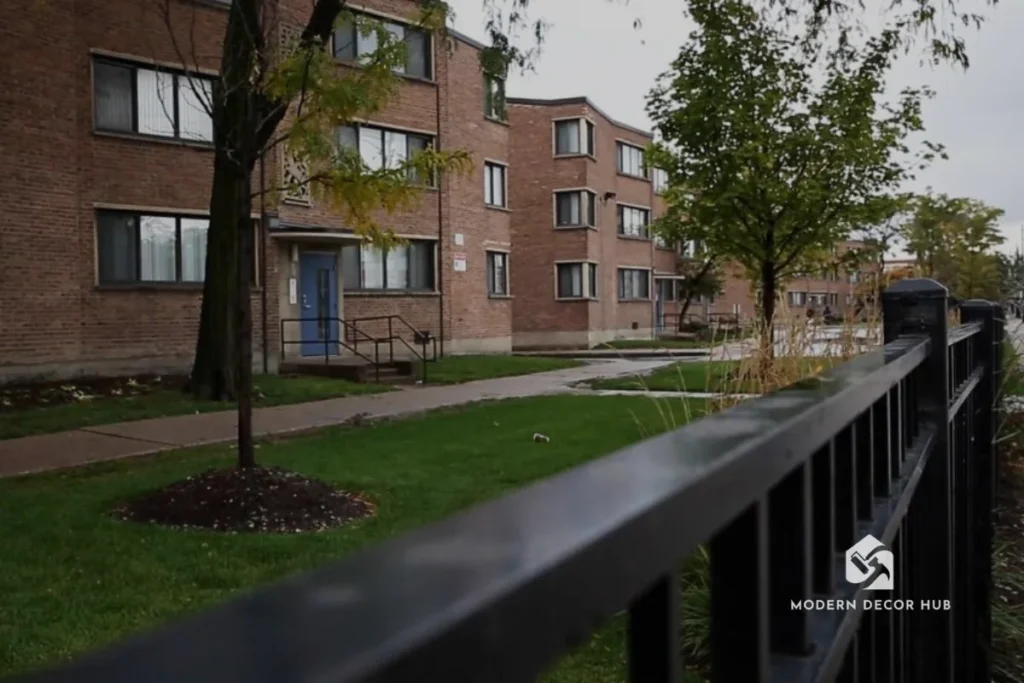
- Renovating existing housing units to meet modern safety and accessibility standards.
- Upgrading infrastructure, including roads, lighting, and communal spaces.
- Creating mixed-income opportunities to promote economic diversity while preserving affordable housing.
- Enhancing community programs such as youth initiatives, senior services, and recreational areas.
These projects aim to improve residents’ quality of life and increase the neighborhood’s appeal without displacing existing communities. Urban planners view such redevelopment as a chance to balance historical preservation with modern housing standards.
Community Life and Local Perspectives
Parkway Gardens is more than a residential project; it’s a community with a strong sense of identity. Residents have established local organizations, neighborhood watch programs, and cultural events that keep the area vibrant. Community leaders stress the need to keep resident input in every redevelopment plan. They want changes to match the neighborhood’s character and needs.
For nearby communities, Parkway Gardens serves as a reference point for urban revitalization and cultural preservation. Its successes and challenges often inform policy decisions for similar residential areas across Chicago.
Real Estate and Market Considerations
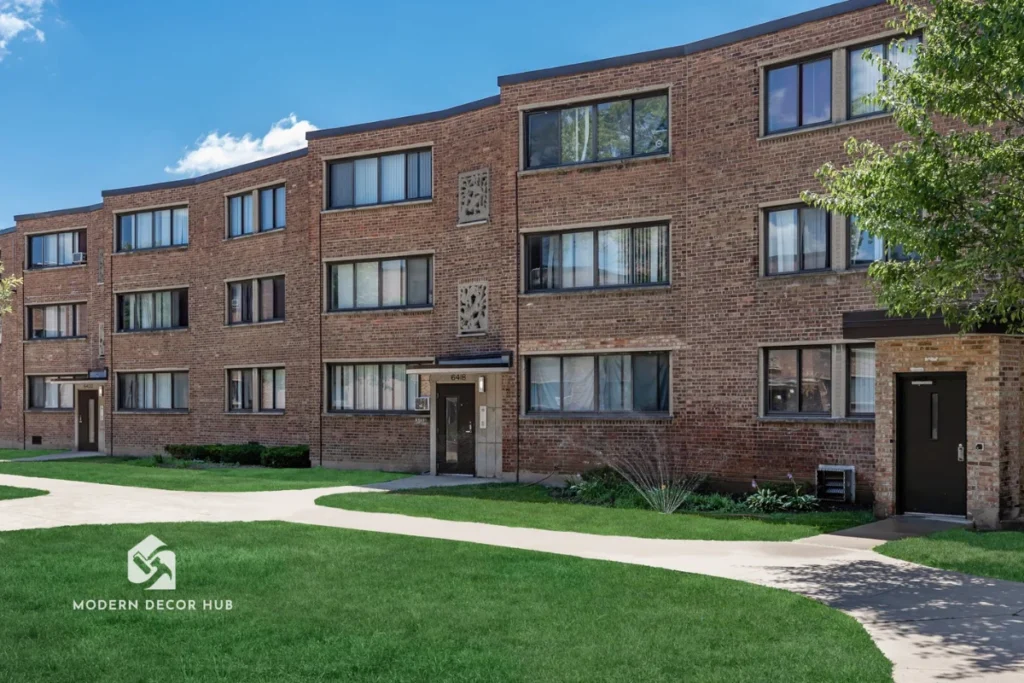
For those interested in real estate or urban development, Parkway Gardens offers a unique case study. The property value trends here reflect broader citywide patterns, influenced by factors such as:
- Proximity to public transportation and amenities
- Neighborhood safety and social programs
- Historical significance and architectural style
- Investment in local infrastructure and community development
While investment opportunities exist, the focus remains on sustainable and inclusive growth rather than speculative gain.
Cultural Significance
Parkway Gardens has contributed significantly to Chicago’s cultural landscape. From local artists and musicians to community events and grassroots initiatives, the neighborhood represents a rich tapestry of stories. Understanding its cultural significance helps visitors and researchers appreciate the social fabric that sustains this urban community.
Practical Tips for Visitors and Researchers
If you plan to explore Parkway Gardens or conduct research on the area:
- Visit local community centers to engage with residents and learn about neighborhood initiatives.
- Observe architectural styles and take note of historical landmarks.
- Respect local norms and avoid assuming public housing areas are unsafe; many residents are welcoming to visitors.
- Access city planning resources for official redevelopment updates and housing statistics.
These steps ensure a responsible, informed, and insightful experience while respecting the local community.
Final Thought
Parkway Gardens stands as a resilient and culturally rich part of Chicago’s South Side. While rumors about a sale and plans to rebuild may make headlines, the real story is different.
The city is making steady updates. These updates focus on the community. City planners are also working on long-term plans. Residents, visitors, and researchers can all appreciate Parkway Gardens for its historical legacy, ongoing urban initiatives, and vibrant community life.
Why is it called O Block in Chicago?
O Block is a nickname for the Parkway Gardens housing complex, referencing the street designation “Oglesby Drive” and popularized in local culture and music.
What is Parkway Gardens Chicago known for?
It’s known for its distinctive public housing architecture, cultural influence in Chicago’s South Side, and as the home of notable community figures.
Was King Von from Parkway Gardens?
Yes, rapper King Von grew up in Parkway Gardens, often referencing the neighborhood in his music.
Can you live in Parkway Gardens?
Yes, it is an active public housing community managed by the Chicago Housing Authority, though residency is subject to eligibility and application.
Are O Block Muslims?
Residents of O Block have diverse backgrounds; there is no single religious affiliation for the community.
What celebrities are from Parkway Gardens?
King Von is the most notable, but the area has also produced other local artists and figures in Chicago’s cultural scene.
What part of Chicago should visitors be cautious about?
While many neighborhoods are safe, some areas on the South and West Sides, including sections near Parkway Gardens, have higher crime rates; visitors should exercise standard urban safety precautions.