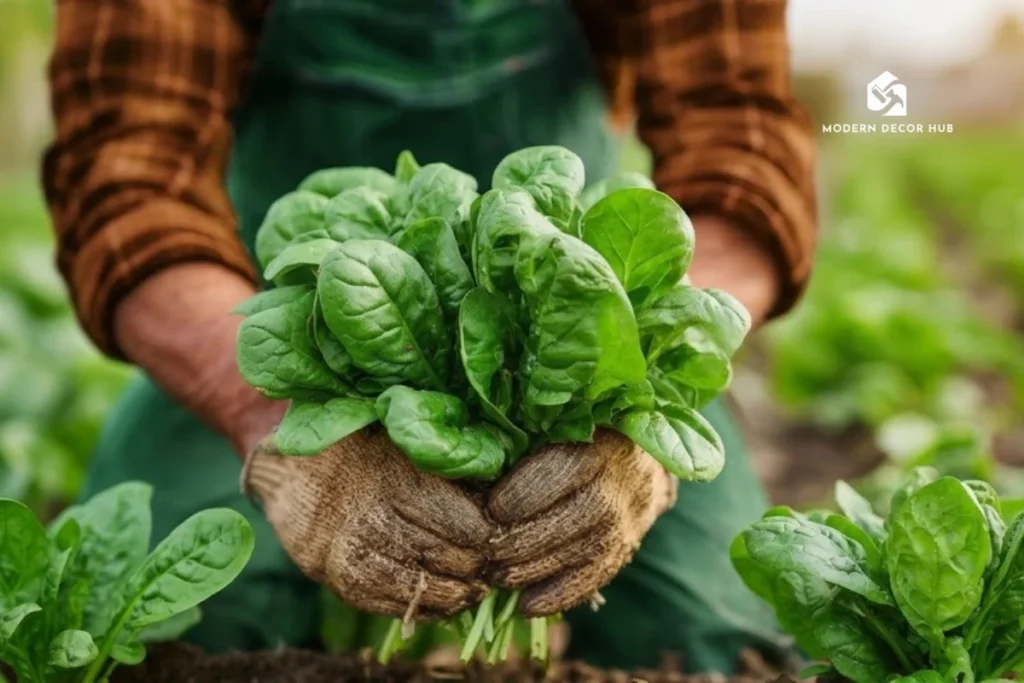
You don’t need a sprawling backyard, a huge budget, or a horticulture degree to grow something beautiful or delicious. Whether you’re working with a sunny windowsill, a small balcony, or a modest patch of lawn, gardening is one of the most rewarding hobbies you can pick up. And the learning curve? Way gentler than most people think.
This guide is packed with real, tested gardening tips for beginners and experienced growers alike. We’ll cover everything from soil prep and plant selection to watering habits, container gardening, and eco-friendly practices all tailored for the everyday American gardener.
Let’s dig in.
Table of Contents
Start With the Right Mindset (Not Just the Right Tools)
Before you buy a single seed packet, get clear on one thing: gardening is a practice, not a performance. Plants die. Pests show up. Some seasons are just rough. The growers who stick with it are the ones who treat every failure as feedback.
That said, a little preparation goes a long way toward avoiding preventable mistakes. The tips below will help you set up for success from day one.
1. Know Your Growing Zone Before You Plant Anything
One of the most overlooked gardening tips especially for beginners is understanding your USDA Hardiness Zone. The United States is divided into 13 plant hardiness zones based on average winter temperatures, and planting outside your zone is one of the fastest ways to lose money on plants.
- Zone 3–4 (Upper Midwest, parts of Montana and Minnesota): Short growing seasons, cold winters
- Zone 6–7 (Mid-Atlantic, Pacific Northwest): Moderate climates, long productive seasons
- Zone 9–11 (Florida, Southern California, Texas Gulf Coast): Warm, frost-free or near frost-free winters
Look up your zip code at the USDA Plant Hardiness Zone Map before choosing what to grow. This one step can save you a full season of frustration.
2. Start Small — Seriously, Smaller Than You Think
Every new gardener underestimates how much work a garden takes. A 4×8 foot raised bed or four to six container pots is genuinely enough to start. You can always scale up next year once you understand your rhythms.
Why starting small works better:
- Easier to manage soil quality in a limited area
- Less watering, weeding, and maintenance burden
- You learn faster when you can observe fewer plants closely
- Failures are less costly and more instructive
Pick two or three vegetables or herbs you actually cook with. Basil, tomatoes, and zucchini are beginner favorites for good reason they’re forgiving, productive, and satisfying to harvest.
3. Build Healthy Soil First — Everything Else Follows
Ask any experienced gardener what the secret is, and most will say the same thing: it’s all in the soil.
Healthy garden soil is loose, well-draining, and rich in organic matter. It smells earthy and fresh almost alive, because it is. Billions of microorganisms, earthworms, and fungi live in good soil and help break down nutrients into forms plants can actually absorb.
How to improve your soil:
- Add compost. A 2–3 inch layer worked into the top 6 inches of your garden bed transforms most soil types.
- Test your pH. Most vegetables thrive between 6.0 and 7.0. Inexpensive soil test kits are available at any hardware store.
- Avoid compaction. Never walk on your planting beds it crushes the air pockets that roots need to breathe.
- Mulch the surface. A 2-inch layer of wood chips or straw retains moisture, suppresses weeds, and slowly feeds the soil as it breaks down.
If you’re gardening in containers or raised beds, use a quality potting mix never plain garden soil, which tends to compact and drain poorly in containers.
4. Choose Plants That Match Your Light Conditions
Sunlight is non-negotiable. No amount of good soil or careful watering can compensate for planting sun-loving tomatoes in a shady corner.
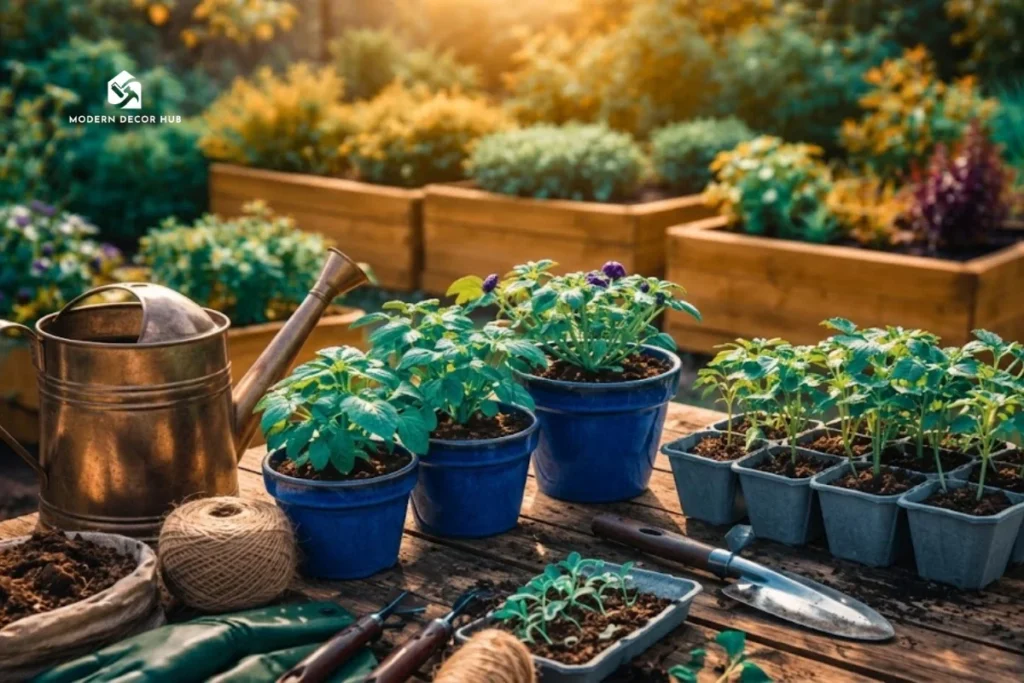
Before planting anything, spend a day observing how sunlight moves across your space:
- Full sun (6+ hours of direct sunlight): Tomatoes, peppers, cucumbers, melons, most herbs
- Partial sun (3–6 hours): Lettuce, spinach, kale, herbs like cilantro and parsley
- Shade (fewer than 3 hours): Ferns, hostas, impatiens, some leafy greens
North-facing balconies and apartments with limited natural light are real challenges, but they’re not deal-breakers. Shade-tolerant herbs like mint and chives, along with leafy greens, can thrive with just a few hours of indirect light.
5. Master the Art of Watering (Less Is Often More)
Overwatering kills more plants than underwatering. Most beginners see a wilting plant and reach for the hose but wilting can actually be a sign of root rot from too much moisture, not too little.
Smart watering habits:
- Water deeply and less frequently. Shallow, frequent watering encourages shallow root systems. Watering deeply once or twice a week pushes roots downward, making plants more drought-resilient.
- Water at the base, not the leaves. Wet foliage invites fungal diseases like powdery mildew and blight.
- Check the soil, not the calendar. Stick your finger an inch into the soil. If it’s still moist, wait.
- Water in the morning. Morning watering gives foliage time to dry and reduces disease pressure compared to evening watering.
A drip irrigation system or soaker hose is one of the best investments a home gardener can make it saves water, time, and delivers moisture exactly where it’s needed.
6. Container Gardening: A Game-Changer for Renters and Urban Growers
You don’t need a yard to have a productive garden. Container gardening has exploded in popularity across American cities, and for good reason it’s flexible, scalable, and surprisingly high-yielding.
Tips for thriving container gardens:
- Match pot size to plant size. Tomatoes need at least a 5-gallon container; herbs do fine in quart-sized pots.
- Use containers with drainage holes. Standing water at the bottom leads to root rot almost every time.
- Elevate pots on balconies to improve drainage and airflow.
- Self-watering planters are a great investment if you travel or have inconsistent watering habits.
- Group containers together. Plants clustered together create a microclimate that retains humidity and moderates temperature swings.
Good crops for containers: cherry tomatoes, peppers, lettuce, green onions, strawberries, basil, mint, and dwarf varieties of most vegetables.
7. Composting at Home: Free Fertilizer From Your Kitchen Scraps
If you’re not composting yet, you’re essentially throwing money in the trash literally. Kitchen scraps like vegetable peels, coffee grounds, eggshells, and fruit cores can be transformed into rich compost that rivals any store-bought fertilizer.
Simple home composting methods:
- Outdoor compost bin: Layer “greens” (food scraps, grass clippings) with “browns” (dry leaves, cardboard, straw) in a 1:3 ratio. Turn it every week or two and keep it moist.
- Worm bin (vermicomposting): Ideal for renters and small spaces. Red wigglers break down food scraps into incredibly rich castings, and a bin can live under a kitchen sink.
- Bokashi system: Ferments food scraps (including meat and dairy) using beneficial microbes faster than traditional composting.
Even a small compost habit reduces household waste significantly while giving your garden a nutritional upgrade.
8. Plan for Succession Planting to Extend Your Harvest
One crop in, one crop out that’s the basic idea behind succession planting. Instead of growing all your lettuce at once and then having nothing for eight weeks, you plant a small batch every two to three weeks for a continuous harvest.
This approach works beautifully for:
- Salad greens (lettuce, arugula, spinach)
- Radishes (ready in as little as 25 days)
- Bush beans
- Cilantro (which bolts quickly in heat)
Succession planting maximizes your growing space, extends your season, and means you’re actually eating from your garden consistently rather than drowning in zucchini one week and going empty the next.
9. Embrace Natural Pest Control
Chemical pesticides kill pests but they also kill beneficial insects like bees, ladybugs, and parasitic wasps that would otherwise be doing your pest-control work for free.
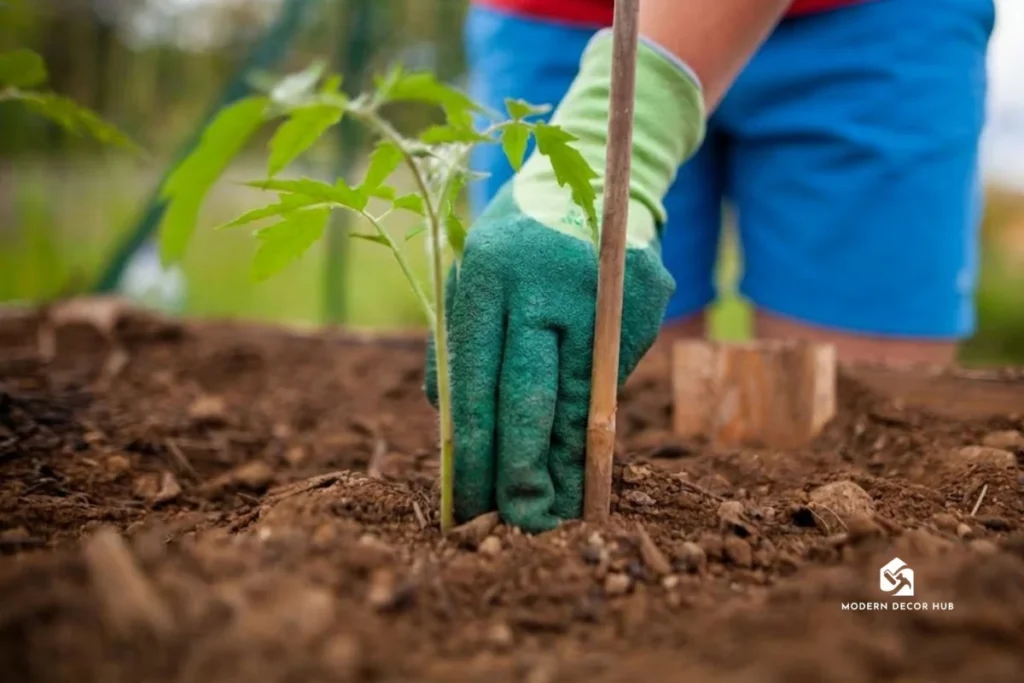
Eco-friendly pest management strategies:
- Encourage beneficial insects by planting flowers like marigolds, zinnias, and dill near your vegetables.
- Hand-pick caterpillars and beetles in the early morning when they’re sluggish.
- Use neem oil for soft-bodied insects like aphids and spider mites. It’s organic and biodegradable.
- Introduce beneficial nematodes to the soil to combat grubs and soil-dwelling pests.
- Practice crop rotation moving plant families to different spots each season disrupts the pest cycles that build up in soil.
- Use floating row covers to physically exclude insects from crops during vulnerable stages.
A garden with diverse plantings and healthy soil is naturally more resistant to pest pressure than a monoculture.
10. Keep a Garden Journal
This is a tip that separates hobbyists from truly skilled growers: write things down.
A simple notebook or even a notes app on your phone where you track planting dates, weather patterns, what worked, what didn’t, and pest observations is invaluable. Over time, it becomes a personalized growing guide tailored to your exact microclimate, soil, and preferences.
Note things like:
- First and last frost dates in your area
- What varieties performed best
- When pests typically appear
- Water and fertilizer schedules
- Any unusual weather patterns
After two or three seasons, your garden journal becomes one of your most valuable gardening tools.
Seasonal Gardening Tips at a Glance
🌱 Spring
- Start seeds indoors 6–8 weeks before last frost
- Amend beds with fresh compost before planting
- Plant cool-weather crops (lettuce, peas, broccoli) as soon as soil is workable
☀️ Summer
- Mulch heavily to retain moisture during heat
- Water deeply in the morning
- Deadhead flowering plants to encourage continued blooming
🍂 Fall
- Plant garlic and spring bulbs in late October/early November
- Clean up spent plants to reduce disease and pest overwintering
- Plant cover crops (clover, rye) to protect and enrich bare soil
❄️ Winter
- Review your garden journal and order seed catalogs
- Build or repair raised beds, trellises, and containers
- Start cold-hardy greens indoors under grow lights
Final Thoughts: Your Garden Grows With You
There’s something quietly profound about growing your own food or tending to a garden. It reconnects you with natural cycles, reduces stress, and gives you something genuinely satisfying to show for your time and effort.
You don’t have to do everything at once. Pick one or two tips from this guide that feel most relevant to where you’re starting, implement them this season, and build from there. Every expert gardener out there was once standing exactly where you are holding a seed packet and wondering if they could actually pull this off.
They could. And so can you.
What are the easiest vegetables to grow for beginners?
Zucchini, cherry tomatoes, green beans, lettuce, and radishes are all excellent starting points. They’re productive, relatively low-maintenance, and give you quick feedback which is motivating when you’re just learning.
How much sun does a vegetable garden need?
Most vegetables need at least 6–8 hours of direct sunlight per day. If your space gets less than that, focus on leafy greens and herbs, which tolerate partial shade better than fruiting crops.
Can I garden without outdoor space?
Absolutely. A sunny south-facing window or a small balcony is enough to grow herbs, microgreens, cherry tomatoes, and salad greens. Grow lights extend your options even further if natural light is limited.
How often should I fertilize my garden?
It depends on your soil and what you’re growing. A general rule: heavy feeders like tomatoes and peppers benefit from fertilizing every 2–3 weeks during the growing season. Leafy greens need less. Always follow product directions and avoid over-fertilizing, which can burn roots.
What’s the biggest mistake beginner gardeners make?
Overwatering is the most common and most costly beginner mistake. The second biggest? Starting too large. Both lead to burnout. Start small, water mindfully, and build from there.
Is organic gardening harder than conventional gardening?
Not necessarily. Organic gardening relies more on soil health and natural systems than on chemical inputs. It can take a season or two to build the soil biology that makes organic growing seamless, but the results healthier soil, fewer pests over time, safer food are absolutely worth it.