
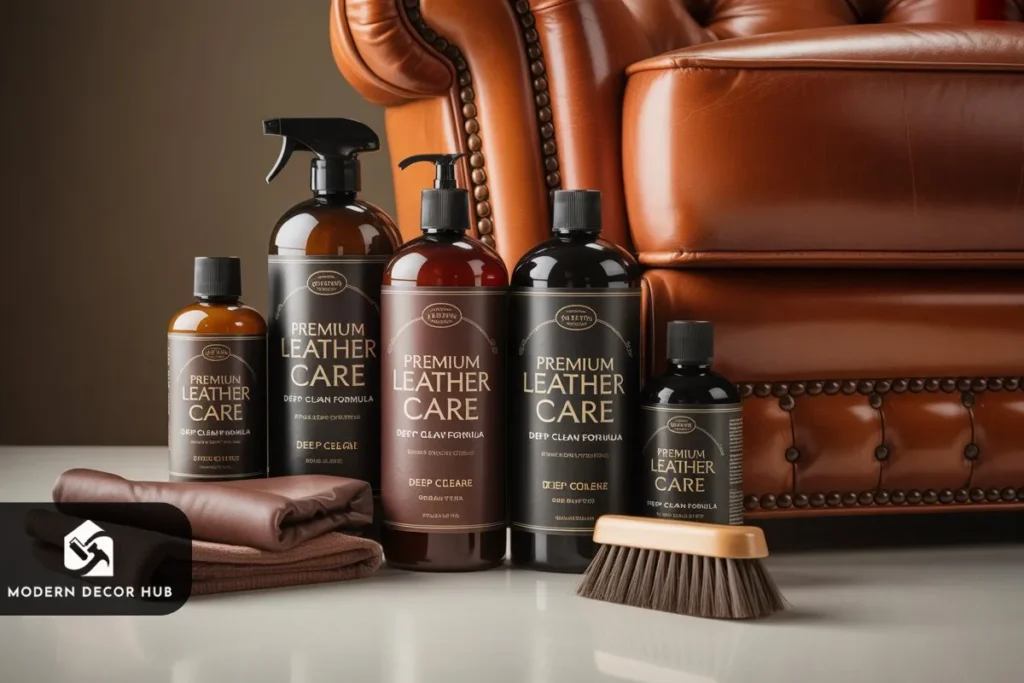
Leather furniture remains one of the most popular home investments in the United States, and in 2026, homeowners are more focused than ever on proper care, longevity, and eco-safe cleaning. Choosing the right cleaners for leather furniture is essential if you want to preserve its appearance, texture, and value for years to come.
Unlike fabric upholstery, leather requires specialized products and techniques. Using the wrong cleaner can cause cracking, discoloration, dryness, or permanent damage. This comprehensive guide is designed to help you understand leather types, select the best leather furniture cleaners, and maintain your investment with confidence.
Whether you own a luxury leather sofa, recliner, sectional, or office chair, this article delivers practical, experience-based advice aligned with Google’s Helpful Content Guidelines—written for real people, not algorithms.
Why Choosing the Right Cleaner for Leather Furniture Matters
Leather is a natural material with pores, oils, and protective coatings. Unlike vinyl or microfiber, it reacts to moisture, heat, and chemicals.
Using appropriate leather-safe cleaners helps:
- Extend furniture lifespan
- Prevent cracking and fading
- Maintain softness and natural oils
- Remove dirt, oils, and stains safely
- Protect against UV and wear
In 2026, manufacturers continue to warn against DIY solutions like vinegar, ammonia, bleach, or harsh detergents—these strip protective finishes and dry out leather fibers.
Understanding Leather Types Before Cleaning
Not all leather furniture is the same. Identifying your leather type is critical before choosing a cleaner.
1. Protected (Pigmented) Leather
- Most common in U.S. homes
- Has a protective polymer coating
- Durable and stain-resistant
- Suitable for most commercial leather cleaners
2. Aniline Leather
- Soft, natural appearance
- No protective coating
- Highly absorbent and stain-prone
- Requires gentle, specialty cleaners
3. Semi-Aniline Leather
- Light protective finish
- Balances softness and durability
- Needs mild leather cleaning products
4. Faux or Vegan Leather
- Synthetic material
- Requires non-leather-specific cleaners
- Avoid conditioning oils
Tip: Check manufacturer tags or product documentation before applying any cleaner.
Best Cleaners for Leather Furniture in 2026
Modern leather furniture cleaners prioritize safety, sustainability, and performance. Below are the most recommended categories and product characteristics.
pH-Balanced Leather Cleaners
These are specifically formulated to match leather’s natural pH.
Benefits:
- Prevent drying and cracking
- Safe for frequent use
- Maintain color and finish
Best for: Sofas, recliners, chairs, ottomans
All-in-One Leather Cleaner & Conditioner
Combines cleaning and moisturizing in one step.
Benefits:
- Saves time
- Restores softness
- Adds light protective layer
Ideal for: Busy households, pet owners, families with kids
Plant-Based & Eco-Friendly Leather Cleaners
In 2026, eco-conscious consumers are driving demand for non-toxic leather cleaners.
Key features:
- Biodegradable ingredients
- No VOCs or harsh chemicals
- Safe for pets and children
Professional-Grade Leather Cleaning Solutions
Used by upholstery technicians and furniture restorers.
Advantages:
- Deep-cleaning power
- Removes embedded oils and grime
- Often used annually or semi-annually
What to Avoid When Cleaning Leather Furniture
Many common household products can permanently damage leather.
❌ Avoid:
- Vinegar or lemon juice
- Baby wipes or disinfecting wipes
- Alcohol-based sprays
- Ammonia or bleach
- Steam cleaners
These strip protective coatings, dry out leather, and cause discoloration.
How to Clean Leather Furniture Safely (Step-by-Step)
Using the right cleaner is only half the equation. Proper technique matters just as much.
Step 1: Vacuum First
Use a soft brush attachment to remove dust, crumbs, and debris from seams and crevices.
Step 2: Spot Test
Always test the leather cleaner on a hidden area.
Step 3: Apply Cleaner
- Use a microfiber cloth
- Apply cleaner to cloth, not directly to leather
- Gently wipe in circular motions
Step 4: Wipe Residue
Use a clean, slightly damp cloth to remove excess product.
Step 5: Condition (If Needed)
Apply a leather conditioner to replenish natural oils and prevent cracking.
How Often Should You Clean Leather Furniture?
Frequency depends on use, environment, and household factors.
| Usage Level | Cleaning Frequency |
|---|---|
| Light use | Every 3–4 months |
| Heavy use | Every 1–2 months |
| Pets/kids | Monthly |
| Conditioning | Every 6–12 months |
Best Leather Furniture Cleaners for Pets & Kids
Households with pets and children need cleaners that remove oils, saliva, and food residue without toxicity.
Look for:
- Non-toxic certifications
- Fragrance-free formulas
- No silicone or wax buildup
- Fast-drying solutions
These cleaners help prevent darkened headrests, armrests, and pet-favorite spots.
Leather Furniture Stain Removal Tips
Different stains require different approaches.
Oil & Grease Stains
- Blot immediately (do not rub)
- Use a leather degreasing cleaner
- Avoid water saturation
Ink Stains
- Use a professional leather ink remover
- Act quickly
- Never use nail polish remover
Food & Beverage Spills
- Dab gently with microfiber cloth
- Use mild leather cleaner
- Condition afterward
Leather Furniture Maintenance Tips for 2026 Homes
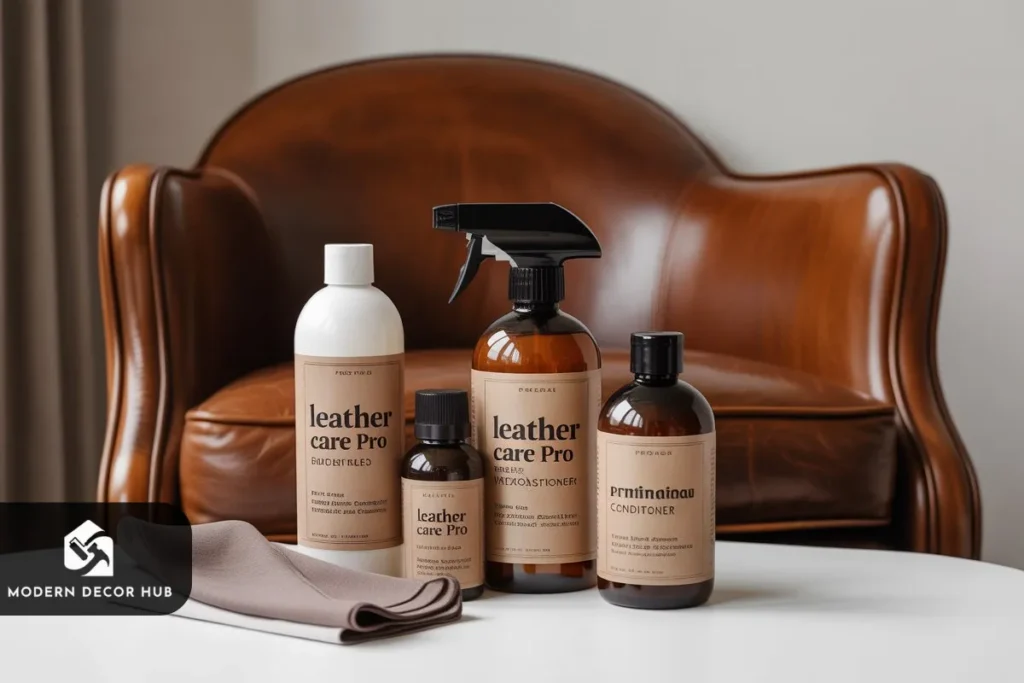
Cleaning alone isn’t enough. Long-term care matters.
Protect from Sunlight
UV rays fade and dry leather. Use blinds or UV protectants.
Control Indoor Humidity
Ideal range: 40–55%. Dry air accelerates cracking.
Rotate Cushions
Prevents uneven wear and color changes.
Wipe Weekly
Dry microfiber cloth removes body oils before buildup.
DIY vs Commercial Cleaners for Leather Furniture
| Aspect | DIY Solutions | Commercial Cleaners |
|---|---|---|
| Safety | Risky | Leather-specific |
| Effectiveness | Limited | Proven results |
| Longevity | Short-term | Long-term care |
| Warranty-safe | No | Often yes |
In 2026, furniture manufacturers increasingly void warranties due to improper DIY cleaning.
Buying Guide: How to Choose the Best Cleaner for Leather Furniture
Before purchasing, consider:
- Leather type compatibility
- pH-balanced formulation
- Conditioning ingredients (lanolin, glycerin)
- Residue-free finish
- Brand reputation and reviews
Expert Advice from Furniture Care Professionals
Furniture restoration specialists consistently recommend:
- Avoid over-cleaning
- Use minimal moisture
- Condition sparingly
- Stick to trusted leather care brands
Years of hands-on experience show that consistent, gentle care beats aggressive cleaning every time.
Final Thoughts
Choosing the right cleaners for leather furniture in 2026 isn’t just about appearance—it’s about protecting your investment, ensuring comfort, and extending the life of your furniture. With the right products, proper techniques, and consistent care, leather furniture can remain beautiful for decades.
Avoid shortcuts, follow manufacturer guidelines, and invest in quality leather care products designed for modern homes.
FAQs
1. What are the best cleaners for leather furniture in 2026?
The best cleaners are pH-balanced, leather-specific products that clean without stripping natural oils.
2. How often should leather furniture be cleaned?
Light cleaning every 1–3 months and conditioning every 6–12 months is recommended.
3. Can homemade cleaners damage leather furniture?
Yes. DIY solutions often cause drying, cracking, and discoloration.
4. Are eco-friendly leather cleaners effective?
Yes. Modern plant-based formulas in 2026 are both safe and effective.
5. Should leather furniture be conditioned after cleaning?
Conditioning helps restore moisture and prolongs leather lifespan.