
When homeowners in the USA start researching new flooring, one question comes up again and again: Which option looks great, lasts for decades, and adds real value to my home?
That curiosity often leads straight to white oak flooring.
Known for its durability, clean grain pattern, and ability to fit almost any interior style, white oak has become one of the most trusted hardwood choices in American homes. Whether you are renovating, building new, or simply comparing materials, this guide breaks down everything you need to know in a clear, practical way.
What Is White Oak Flooring?
White oak flooring is made from the white oak tree, a hardwood species native to North America. It has been used in American homes for generations because of its strength and consistent appearance.
Compared to many other hardwoods, white oak offers a balanced mix of beauty and performance. It is not overly flashy, but it never feels outdated. That is exactly why designers, builders, and homeowners continue to choose it year after year.
Why White Oak Hardwood Flooring Is So Popular in the USA
Exceptional Durability for Daily Life
White oak is a hard, dense wood. That means it handles:
- Heavy foot traffic
- Pets and kids
- Furniture movement
- Daily wear over many years
Because of its tight grain structure, white oak hardwood flooring is also more resistant to moisture than many other hardwood options. This makes it suitable for living rooms, hallways, kitchens, and even some below-grade installations when properly installed.
Timeless and Versatile Appearance
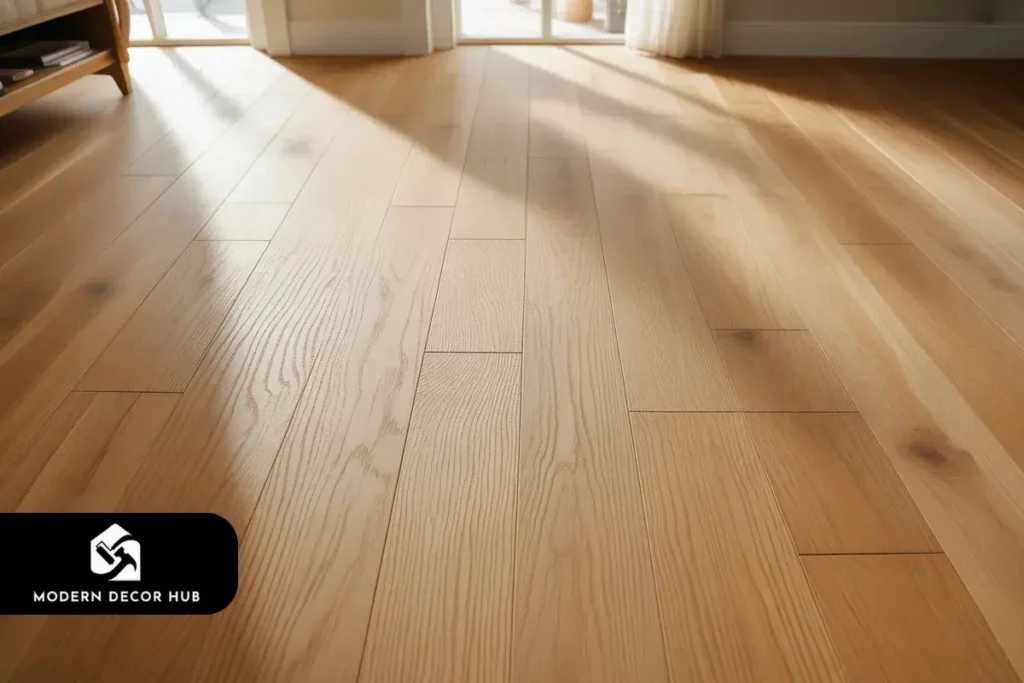
One reason white oak floors work so well is their neutral look. The grain is smooth and consistent, with fewer dramatic variations than red oak.
This allows white oak to complement many design styles, including:
- Modern and minimalist interiors
- Farmhouse and rustic homes
- Traditional and classic layouts
- Coastal and Scandinavian-inspired spaces
If you like flexibility and do not want to feel locked into one trend, white oak is a safe long-term choice.
White Oak Flooring vs. Other Hardwood Options
White Oak vs. Red Oak
Homeowners often compare these two.
White oak:
- Cooler, more neutral undertones
- Tighter grain pattern
- Better moisture resistance
Red oak:
- Warmer, pinkish tones
- More visible grain
- Slightly softer
For modern homes and lighter finishes, white oak floors usually win.
White Oak vs. Maple
Maple is very hard, but it has a smoother grain that can show dents more clearly over time. White oak wood flooring offers a better balance between hardness and visual forgiveness, especially in busy households.
Different Styles of White Oak Wood Flooring
Solid White Oak Flooring
This is the traditional option. Each plank is made from a single piece of wood.
Best for:
- Homes with stable indoor humidity
- Long-term installations where refinishing is expected
Solid white oak floors can be sanded and refinished multiple times, extending their lifespan for decades.
Engineered White Oak Flooring
Engineered boards have a real white oak top layer bonded to a stable core.
Best for:
- Basements and condos
- Homes with radiant heating
- Areas with temperature changes
Engineered white oak hardwood flooring offers the same surface beauty with improved stability.
Finishes and Colors That Work Best with White Oak Floors
One of the biggest advantages of white oak flooring is how well it accepts stains and finishes.
Popular choices include:
- Natural or clear finishes for a clean, modern look
- Light stains for Scandinavian or coastal designs
- Medium tones for warmth without heaviness
- Matte or satin finishes to hide scratches and dust
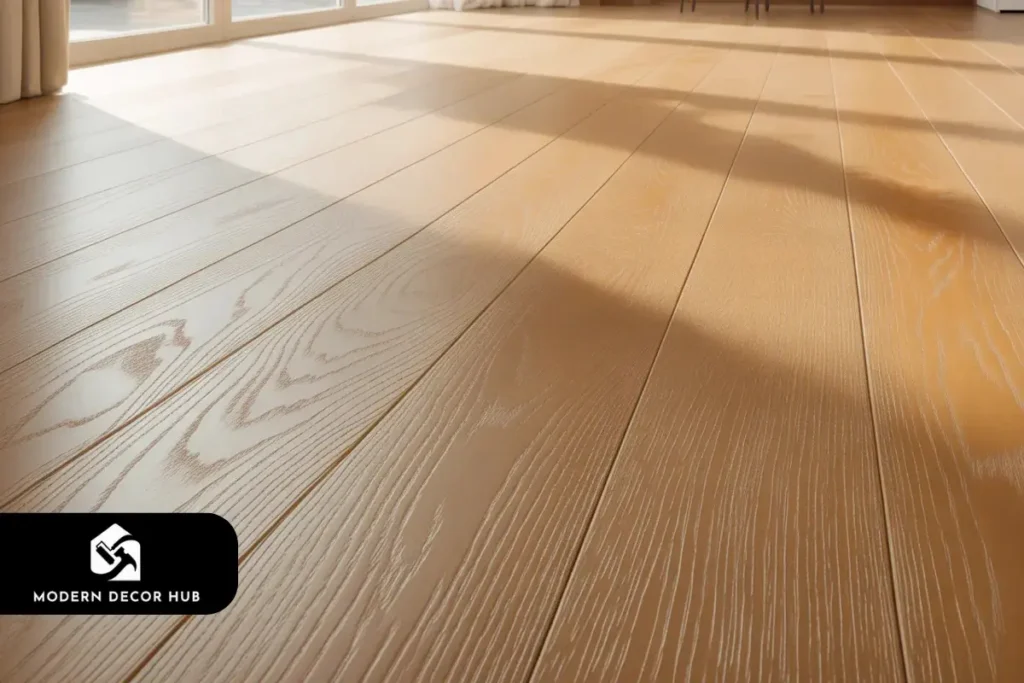
White oak floors also look excellent with wire-brushed or lightly textured finishes, which add character without making the surface hard to clean.
Practical Tips Before You Buy White Oak Flooring
Choose the Right Plank Width
Wider planks are very popular in the USA right now. White oak handles wide boards better than many hardwoods due to its stability.
- Narrow planks feel classic and traditional
- Wide planks feel modern and open
Consider Your Lifestyle
If you have pets or kids, opt for:
- Engineered white oak flooring
- A matte or satin finish
- Slightly textured surfaces
These choices help hide scratches and daily wear.
Work with a Trusted Installer
Even the best white oak wood flooring can fail if installed poorly. Always hire experienced professionals who understand moisture testing and proper subfloor preparation.
Maintenance and Care for White Oak Floors
White oak floors are easy to maintain if you follow a few simple rules.
Daily and Weekly Care
- Sweep or vacuum with a hardwood-safe attachment
- Use a damp mop, not a wet one
- Avoid harsh chemical cleaners
Long-Term Protection
- Use felt pads under furniture
- Place mats at entryways
- Clean spills promptly
With basic care, white oak flooring can look beautiful for decades without major repairs.
Does White Oak Flooring Add Home Value?
Yes, absolutely.
In the US housing market, hardwood floors remain a major selling point. White oak floors are especially appealing because they suit many buyer preferences. Real estate professionals often note that homes with high-quality white oak hardwood flooring:
- Sell faster
- Attract more buyers
- Command higher resale prices
This makes white oak a smart investment, not just a design upgrade.
Is White Oak Flooring Right for You?
White oak flooring is ideal if you want:
- Long-lasting durability
- A neutral, flexible design
- Strong resale value
- Easy maintenance
It may not be the best fit if you prefer very dark, dramatic grain patterns or want the lowest upfront cost. However, when you look at performance over time, white oak floors deliver excellent value.
Final Thoughts
Choosing the right flooring is about more than looks. It is about how your home feels today and how it performs years down the road. White oak flooring continues to stand out as one of the most reliable, stylish, and practical hardwood options for American homes.
If you are planning a renovation or comparing hardwood choices, take time to explore white oak hardwood flooring samples, finishes, and installation options. A thoughtful decision now can give you beautiful, dependable floors for decades to come.
Looking for expert advice or high-quality white oak floors? Reach out to a trusted flooring specialist and start your project with confidence.
FAQs
1. Is white oak flooring good for high-traffic areas?
Yes. White oak flooring is dense and durable, making it an excellent choice for high-traffic spaces like living rooms, hallways, and kitchens. It holds up well against daily wear, pets, and furniture movement.
2. What is the difference between white oak flooring and red oak flooring?
White oak flooring has a tighter grain and cooler, more neutral tones, while red oak has warmer undertones and a more pronounced grain. White oak floors are also slightly more moisture-resistant, which adds to their long-term durability.
3. Can white oak hardwood flooring be installed in kitchens?
Yes, white oak hardwood flooring can work well in kitchens when properly installed and sealed. Its natural moisture resistance makes it more forgiving than many other hardwood options, as long as spills are cleaned quickly.
4. How long does white oak wood flooring last?
With proper care and maintenance, white oak wood flooring can last 50 years or more. Solid white oak floors can be refinished multiple times, which significantly extends their lifespan.
5. Is engineered white oak flooring better than solid white oak?
Neither is better in all cases. Solid white oak flooring is ideal for long-term homes with stable conditions, while engineered white oak flooring is better for basements, condos, and areas with temperature or humidity changes.