
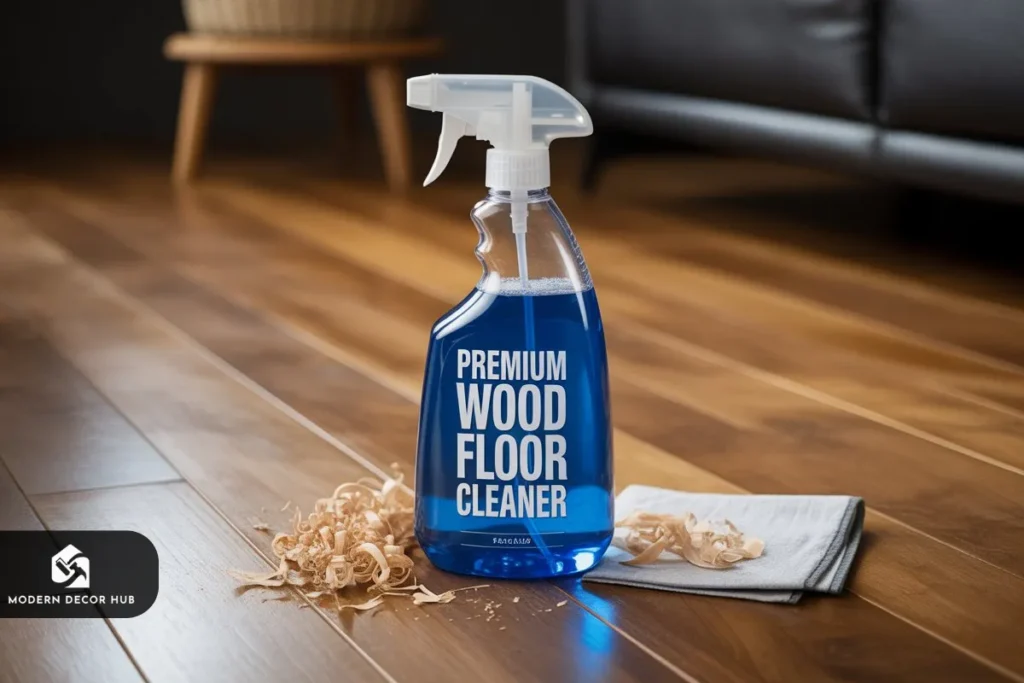
Hardwood floors remain one of the most desirable flooring options in American homes—and for good reason. They’re durable, timeless, and instantly elevate the look of any space. But keeping them beautiful requires more than a quick sweep. Choosing the right wood floor cleaner in 2026 is essential for protecting your investment, maintaining indoor air quality, and extending the life of your floors.
This in-depth guide is designed for real homeowners, renters, and property managers in the USA. Whether you’re searching for the safest hardwood floor cleaning solution, comparing eco-friendly products, or trying to fix dull or sticky floors, you’ll find clear answers here.
Why Choosing the Right Wood Floor Cleaner Matters
Not all floors are the same—and neither are cleaners. A low-quality or incorrect wood floor cleaner can cause:
- Dull or cloudy residue
- Warping or moisture damage
- Stripped protective finishes
- Slippery surfaces or sticky buildup
Modern hardwood flooring often comes with polyurethane, oil-based, or water-based finishes. Each reacts differently to cleaning products. Using a cleaner specifically formulated for wood floors helps preserve the finish while safely removing dirt, dust, and grime.
In 2026, homeowners are also prioritizing:
- Non-toxic ingredients
- Low-VOC formulations
- Pet-safe and kid-safe solutions
The right product protects both your floors and your household.
Types of Wood Floor Cleaners (Explained Simply)
Understanding cleaner categories helps you match the product to your needs.
1. Spray Wood Floor Cleaners
Ready-to-use spray formulas are popular for daily or weekly cleaning.
Best for:
- Sealed hardwood floors
- Quick touch-ups
- Busy households
They’re convenient and reduce the risk of over-wetting the floor.
2. Concentrated Wood Floor Cleaner Solutions
These require dilution with water and are cost-effective for larger homes.
Best for:
- Deep cleaning
- Professional-level maintenance
- High-traffic areas
They allow more control over strength but must be mixed correctly.
3. Natural and Eco-Friendly Cleaners
Plant-based wood floor cleaner options are growing fast in 2026.
Key benefits:
- Biodegradable ingredients
- No harsh chemicals
- Better indoor air quality
Look for labels like EPA Safer Choice or Green Seal.
4. DIY Wood Floor Cleaning Solutions (Use with Caution)
Some homeowners use vinegar or soap mixtures. While popular, these can damage finishes over time.
Expert tip: DIY solutions should never replace a proper wood floor cleaner designed for hardwood surfaces.
Best Wood Floor Cleaner Features to Look for in 2026
When evaluating options, focus on performance and safety—not just price.
Must-Have Qualities
- pH-neutral formula
- Residue-free drying
- Compatible with polyurethane finishes
- Streak-free shine
Nice-to-Have Extras
- Antimicrobial properties
- UV protection
- Subtle, natural scent
Avoid products containing ammonia, bleach, or excessive wax unless specifically recommended by your flooring manufacturer.
How to Clean Hardwood Floors Properly (Step-by-Step)
Using a wood floor cleaner correctly matters just as much as choosing the right one.
Step 1: Dry Clean First
Always remove dust and debris before applying liquid.
- Use a microfiber mop
- Vacuum with a hardwood-safe attachment
This prevents scratches caused by trapped grit.
Step 2: Apply the Wood Floor Cleaner
Lightly mist or dampen the floor—never soak it.
- Work in small sections
- Follow the grain of the wood
- Use a clean microfiber mop pad
Excess moisture is the #1 enemy of hardwood floors.
Step 3: Let It Dry Naturally
Most modern wood floor cleaner formulas dry within minutes.
- Avoid foot traffic during drying
- Never use heat or fans directly on floors
Common Wood Floor Cleaning Mistakes to Avoid
Even well-meaning homeowners make these errors:
- Using steam mops on hardwood
- Overusing water or soaking the floor
- Applying wax on polyurethane-finished floors
- Mixing different cleaners
Over time, these habits lead to dullness, peeling, or permanent damage.
Wood Floor Cleaner for Different Floor Finishes
Sealed Hardwood Floors
Most U.S. homes fall into this category.
✔ Use water-based or spray wood floor cleaner
✘ Avoid oil soaps unless specified
Unsealed or Waxed Wood Floors
These require extra care.
✔ Use specialty cleaners designed for wax finishes
✘ Avoid water-heavy formulas
Engineered Wood Flooring
Engineered floors are moisture-sensitive.
✔ Use minimal liquid
✔ Choose fast-drying wood floor cleaner
Pet-Friendly and Kid-Safe Wood Floor Cleaner Options
In 2026, safety is non-negotiable.
Look for:
- Non-toxic ingredients
- No artificial dyes
- Hypoallergenic formulas
Many newer wood floor cleaner brands now disclose full ingredient lists, improving transparency and trust.
How Often Should You Use a Wood Floor Cleaner?
Frequency depends on lifestyle and foot traffic.
| Area | Recommended Cleaning |
|---|---|
| Living rooms | Once per week |
| Kitchens | 1–2 times per week |
| Bedrooms | Every 2 weeks |
| Entryways | As needed |
Daily sweeping paired with regular use of a wood floor cleaner keeps floors looking new without over-cleaning.
2026 Trends in Wood Floor Cleaning
The wood care industry continues to evolve.
Smart Cleaning Products
Some wood floor cleaner systems now integrate with smart mops that regulate moisture automatically.
Sustainable Packaging
Refill pouches and recycled plastic bottles are becoming the norm.
Multi-Surface Compatibility
Homeowners prefer one cleaner that safely works on hardwood, laminate, and vinyl—without compromising wood safety.
Professional vs. DIY Wood Floor Cleaning
DIY Cleaning
✔ Cost-effective
✔ Ideal for routine maintenance
Professional Cleaning
✔ Deep restoration
✔ Removes stubborn buildup
Most professionals recommend homeowners use a quality wood floor cleaner between annual or bi-annual professional services.
How to Restore Shine Without Damaging Floors
If floors look dull:
- Check for cleaner residue
- Switch to a residue-free wood floor cleaner
- Use a damp (not wet) microfiber pad
Avoid polish unless your floor finish supports it.
Wood Floor Cleaner and Indoor Air Quality
Modern homes are more airtight, making chemical exposure more noticeable. Choosing a low-VOC wood floor cleaner helps reduce headaches, irritation, and long-term health concerns—especially for families.
Is a Multi-Surface Cleaner Safe for Wood Floors?
Only if it clearly states hardwood compatibility. Many general cleaners are too alkaline and can strip finishes.
When in doubt, always choose a product specifically labeled as a wood floor cleaner.
Final Thought
A great wood floor cleaner does more than clean—it protects, preserves, and enhances your home. In 2026, the best options balance performance, safety, and sustainability.
By understanding your floor type, following proper cleaning methods, and using a cleaner designed for hardwood, you’ll enjoy beautiful floors for decades.
FAQs
1. What is the safest wood floor cleaner for homes with pets?
Look for a non-toxic, pH-neutral wood floor cleaner with no artificial fragrances or harsh chemicals. Always check the label for pet-safe certification.
2. Can I use vinegar as a wood floor cleaner?
Vinegar is acidic and can damage the protective finish over time. It’s best to use a cleaner specifically formulated for wood floors.
3. How do I remove sticky residue from hardwood floors?
Sticky floors usually result from cleaner buildup. Switch to a residue-free wood floor cleaner and mop lightly with a clean microfiber pad.
4. Is steam cleaning safe for hardwood floors?
No. Steam can force moisture into the wood, causing warping and finish damage. Use a damp mop and proper wood floor cleaner instead.
5. How long should a wood floor cleaner take to dry?
Most modern formulas dry within 5–10 minutes. Fast drying reduces moisture risk and helps maintain the floor’s finish.