
Kitchen sinks and daily kitchen tasks go hand in hand. From washing produce to cleaning cookware and even filling large pots, the sink is one of the most used fixtures in any American home. Yet many homeowners rush this decision or focus only on looks, then regret it later.
In 2026, kitchen sinks and design expectations have changed. Homeowners want durability, easy maintenance, water efficiency, and a style that fits modern kitchens. Whether you are remodeling, building new, or simply replacing an old unit, choosing the right sink can improve both function and resale value.
This guide breaks down kitchen sinks and all the key factors you should understand before buying. You will find practical advice, real examples, and updated insights based on how kitchens are actually used today.
Why Kitchen Sinks and Smart Choices Matter More Than Ever
Kitchens are no longer just cooking spaces. They are social hubs, work-from-home zones, and family gathering spots. Because of this, kitchen sinks and layout decisions now impact:
- Daily workflow and efficiency
- Cleaning time and water usage
- Overall kitchen aesthetics
- Long-term maintenance costs
- Home value in the US housing market
A poorly chosen sink can cause splashing, back strain, or constant staining. A well-chosen one feels effortless and blends into your routine.
Types of Kitchen Sinks and Their Real-World Uses
Top-Mount (Drop-In) Kitchen Sinks
Top-mount sinks remain popular across the USA because they are affordable and easy to install.
Best for:
- Budget-friendly remodels
- Laminate or butcher block countertops
- DIY installations
Pros:
- Lower installation cost
- Compatible with most countertops
- Wide range of sizes and materials
Cons:
- Raised rim can trap crumbs
- Slightly dated look in high-end kitchens
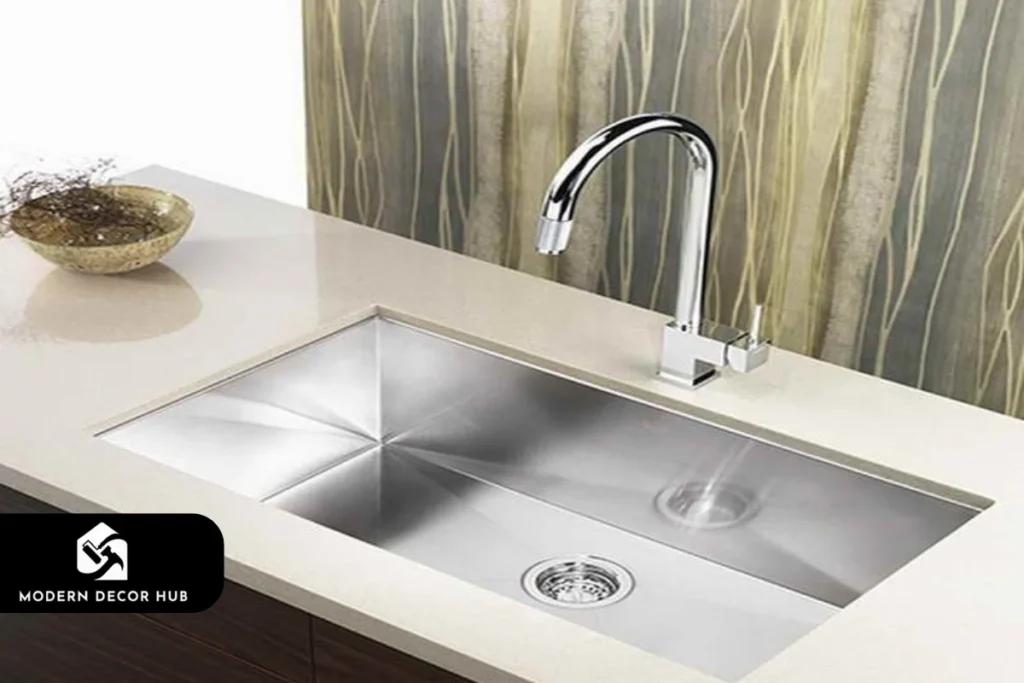
Undermount Kitchen Sinks
Undermount sinks are now standard in many modern kitchens.
Best for:
- Quartz, granite, or solid surface counters
- Sleek, minimalist designs
Pros:
- Easy countertop cleanup
- Clean, seamless appearance
- Adds perceived value
Cons:
- Higher installation cost
- Requires strong countertop support
Farmhouse (Apron-Front) Kitchen Sinks
Farmhouse sinks continue to trend in 2026, especially in transitional and modern rustic kitchens.
Best for:
- Large kitchens
- Homeowners who wash oversized cookware
Pros:
- Deep basin reduces splashing
- Comfortable front-facing design
- Strong visual statement
Cons:
- Requires cabinet modification
- Higher upfront cost
Integrated Kitchen Sinks
Integrated sinks are molded directly into the countertop.
Best for:
- Ultra-modern kitchens
- Low-maintenance households
Pros:
- No seams or edges
- Extremely easy to clean
- Seamless look
Cons:
- Limited material options
- Replacement is more complex
Kitchen Sink Materials and How They Perform Over Time
Stainless Steel Kitchen Sinks
Stainless steel remains the top choice for American kitchens.
Why homeowners choose it:
- Affordable and lightweight
- Resistant to heat and corrosion
- Matches most appliances
What to look for:
- 16 to 18 gauge thickness
- Sound-deadening pads
- Brushed or satin finish to hide scratches
Granite Composite Kitchen Sinks
Granite composite sinks are popular for their durability and modern look.
Key benefits:
- Scratch and chip resistant
- Non-porous surface
- Quiet during use
Drawbacks:
- Heavier than stainless steel
- Can fade under prolonged UV exposure
Fireclay Kitchen Sinks
Fireclay sinks appeal to homeowners who value craftsmanship.
Advantages:
- Glossy, durable finish
- Resistant to stains and acids
- Classic appeal
Considerations:
- Can chip if struck hard
- Premium pricing
Cast Iron Kitchen Sinks
Cast iron sinks with enamel coating are built to last.
Pros:
- Extremely durable
- Rich, deep color options
- Long lifespan
Cons:
- Very heavy
- Enamel may chip over time
Kitchen Sink Sizes and Bowl Configurations Explained
Single Bowl Kitchen Sinks
Single bowl sinks are ideal for modern lifestyles.
Why they work:
- Fits large pans and baking sheets
- Cleaner, more open workspace
- Easier to install garbage disposals
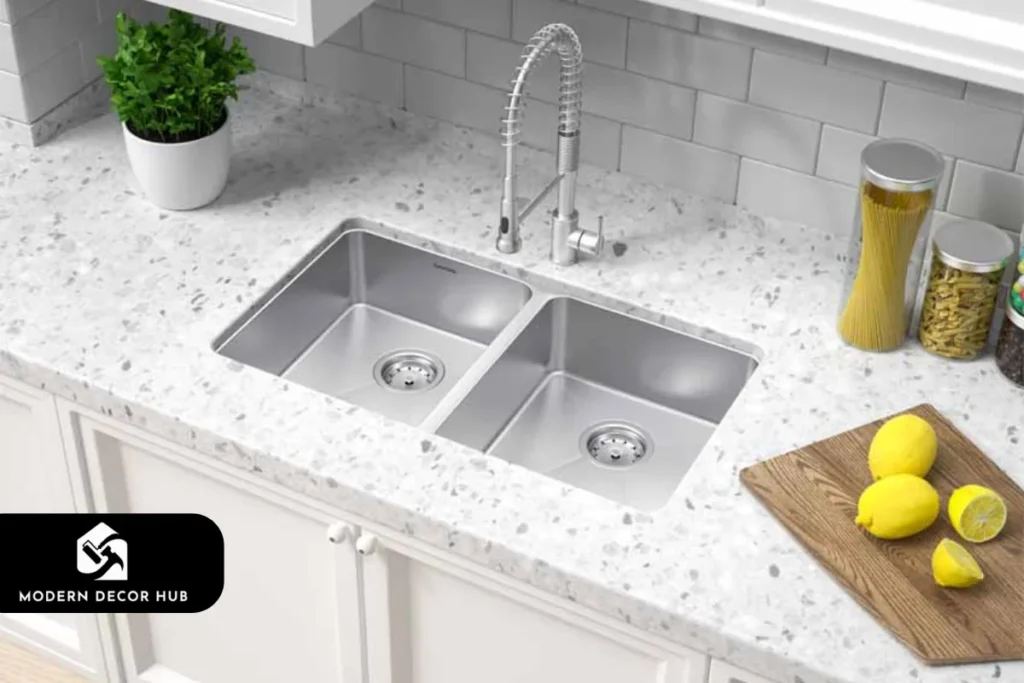
Double Bowl Kitchen Sinks
Double bowl designs remain popular in traditional kitchens.
Best for:
- Multitasking
- Hand-washing dishes while rinsing produce
Tip:
Uneven bowls offer more flexibility than equal-sized ones.
Low-Divide Kitchen Sinks
Low-divide sinks combine the best of both worlds.
Benefits:
- Separate zones without sacrificing space
- Reduced splashing
- Popular in 2026 kitchen designs
Kitchen Sinks and Installation Options
DIY vs Professional Installation
While some drop-in sinks are DIY-friendly, undermount and farmhouse sinks usually require professional installation.
Professional installation helps with:
- Proper sealing
- Weight support
- Plumbing alignment
Mistakes here often lead to leaks and cabinet damage.
Faucet Compatibility and Sink Accessories
Kitchen sinks and accessories should be planned together.
Popular add-ons in 2026:
- Pull-down faucets
- Touchless controls
- Integrated cutting boards
- Roll-up drying racks
- Built-in soap dispensers
Matching sink depth and faucet height prevents splashing and improves comfort.
Water Efficiency and Sustainability in Kitchen Sinks
In the USA, water conservation matters more than ever.
Eco-friendly features to consider:
- Deeper basins to reduce splashing
- Faucet aerators
- Low-flow touchless faucets
- Durable materials that reduce replacements
Choosing efficient kitchen sinks and fixtures can lower utility bills over time.
Cost of Kitchen Sinks in the USA (2026)
| Sink Type | Average Cost | Installed Cost |
|---|---|---|
| Stainless Steel | $150–$500 | $300–$800 |
| Granite Composite | $300–$900 | $600–$1,400 |
| Farmhouse | $600–$2,000 | $1,200–$3,500 |
| Integrated | $800–$2,500 | $1,500–$4,000 |
Prices vary based on brand, size, and installation complexity.
Common Kitchen Sink Mistakes to Avoid
- Choosing style over function
- Ignoring cabinet size and depth
- Skipping sound insulation
- Buying thin-gauge stainless steel
- Forgetting faucet compatibility
Kitchen sinks and layout mistakes often show up only after daily use begins.
How Kitchen Sinks and Home Value Connect
Real estate professionals agree that kitchen upgrades influence buyer perception. A well-chosen sink signals quality and care.
In competitive US markets, modern kitchen sinks and updated fixtures can help homes sell faster and closer to asking price.
Maintenance Tips for Long-Lasting Kitchen Sinks
- Clean daily with mild soap
- Avoid abrasive cleaners
- Dry after heavy use to prevent spotting
- Use sink grids to protect surfaces
Proper care extends the life of kitchen sinks regardless of material.
Kitchen Sinks and Trends to Watch in 2026
- Matte finishes in black and graphite
- Workstation sinks with accessories
- Deeper basins for home cooks
- Integrated drain systems
- Smart faucets with temperature memory
These trends reflect how homeowners actually use their kitchens today.
Final Thoughts on Kitchen Sinks and Smart Buying
Kitchen sinks and thoughtful planning go together. When you consider material, size, installation, and daily habits, the right sink becomes a long-term asset rather than a constant annoyance.
Take time to evaluate how you cook, clean, and move within your kitchen. The best sink is not the most expensive one, but the one that works quietly and reliably every single day.
FAQ
1. What is the most popular kitchen sink material in the USA?
Stainless steel remains the most popular due to affordability, durability, and compatibility with modern appliances.
2. Are farmhouse sinks practical for everyday use?
Yes. Farmhouse sinks offer deep basins and ergonomic comfort, especially for large households and frequent cooking.
3. How deep should a kitchen sink be?
Most homeowners prefer 8 to 10 inches. Deeper sinks reduce splashing and fit larger cookware.
4. Do undermount kitchen sinks leak over time?
When installed correctly with proper sealing and support, undermount sinks are very reliable.
5. Are workstation kitchen sinks worth it?
For busy kitchens, workstation sinks improve efficiency by combining prep, washing, and drying in one space.