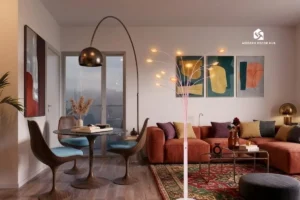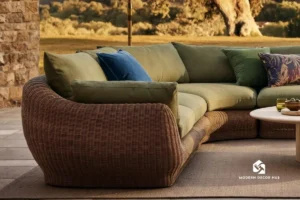
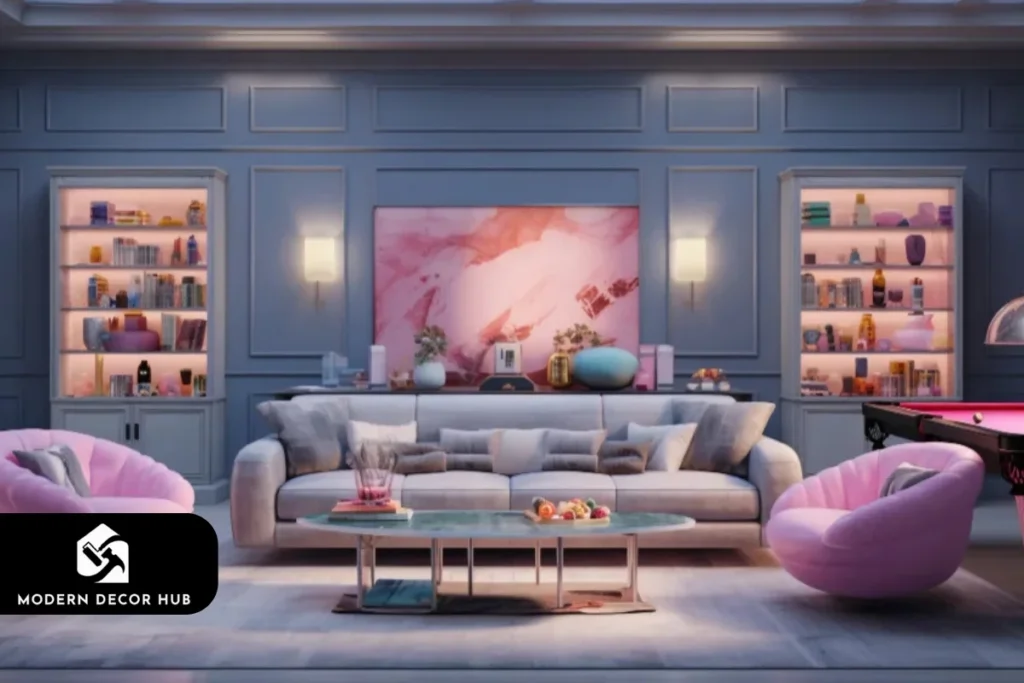
In the modern era of interior design, the home is no longer just a place to sleep; it has become a sanctuary for mental well-being. One of the most significant shifts we’ve seen in 2026 is the rise of MintPalDecor. This aesthetic isn’t just a color choice it’s a structured approach to creating a balanced, biophilic environment.
If you are looking for home improvement ideas that go beyond the surface, understanding the principles of MintPalDecor is essential. This guide explores the technical and creative aspects of this style to help you achieve a professional-grade transformation.
What Defines the MintPalDecor Aesthetic?
MintPalDecor is a sub-genre of contemporary minimalism that prioritizes “Visual Breathability.” It focuses on the psychological impact of colors and textures on the human mind. Unlike traditional minimalism, which can sometimes feel cold or clinical, this style introduces warmth through soft hues and organic materials.
The Psychology of Mint
The color mint sits at the intersection of blue’s tranquility and green’s vitality. In design psychology, mint is known to reduce ocular strain and lower anxiety. When applied to house decoration, it creates an atmosphere of “perpetual spring,” making the indoor environment feel fresh regardless of the season outside.
Structural Elements
A true MintPalDecor space relies on three pillars:
- Light Diffusion: Maximizing natural light to make the mint tones “glow.”
- Organic Geometry: Using furniture with rounded edges to complement the softness of the color.
- Material Contrast: Balancing cool colors with “earthy” textures like rattan, jute, and unfinished wood.
Technical Implementation: The 60-30-10 Rule
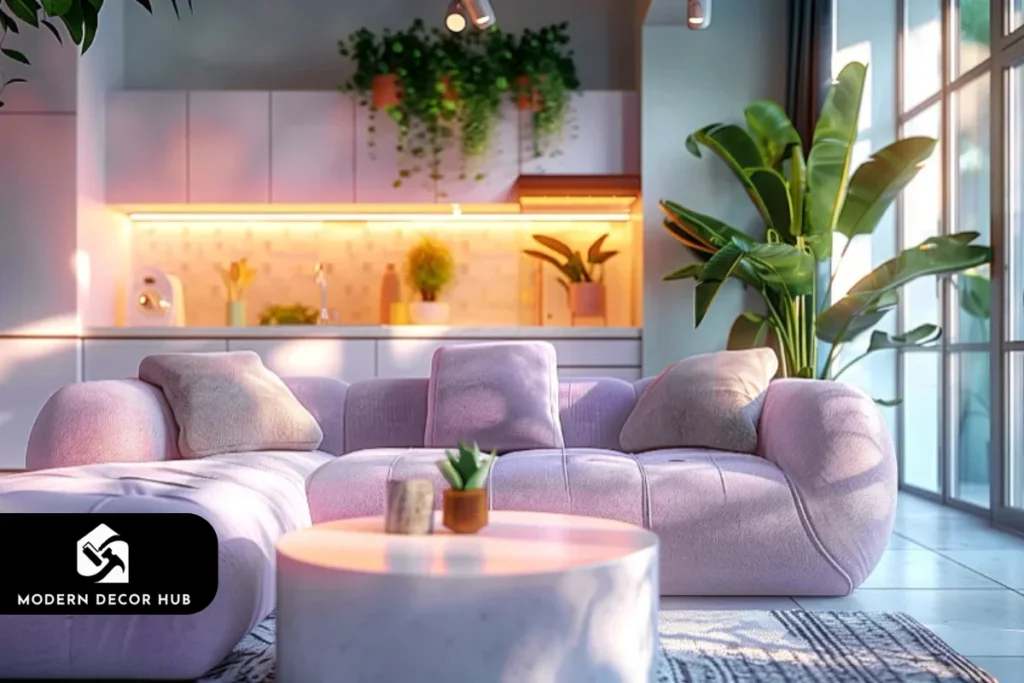
Achieving a professional look in house improvement requires a mathematical approach to color. Most DIY decorators fail because they over-saturate a room with their favorite color. To master MintPalDecor, follow the 60-30-10 Rule:
- 60% Primary Foundation (Neutral): This should be your walls or large flooring areas. Use off-whites, “greige,” or soft sands.
- 30% Secondary Color (Mint): This is where your focus keyword comes in. This 30% includes your curtains, an accent wall, or large furniture pieces like a sofa.
- 10% Accent Color (Contrast): To prevent the room from looking washed out, add 10% of a bold contrast. Terracotta, matte black, or deep navy blue work exceptionally well with mint.
Room-by-Room Informative Breakdown
The Living Room: Balancing Social and Solitary Space
For successful interior decoration advice, the living room must be versatile.
- Walls: If you choose mint walls, ensure the ceiling is a pure reflective white to “lift” the room.
- Textiles: Mix textures. A mint velvet armchair paired with a coarse jute rug creates “tactile interest,” which is a hallmark of high-end design.
- Greenery: Since mint is a botanical color, actual plants like the Monstera Deliciosa or Silver Satin Pothos enhance the color’s depth.
The Kitchen: The “Clean-Look” Evolution
Kitchens are the most popular area for house improvement. In 2026, the trend has shifted from “All-White” kitchens to “Mint-Accented” kitchens.
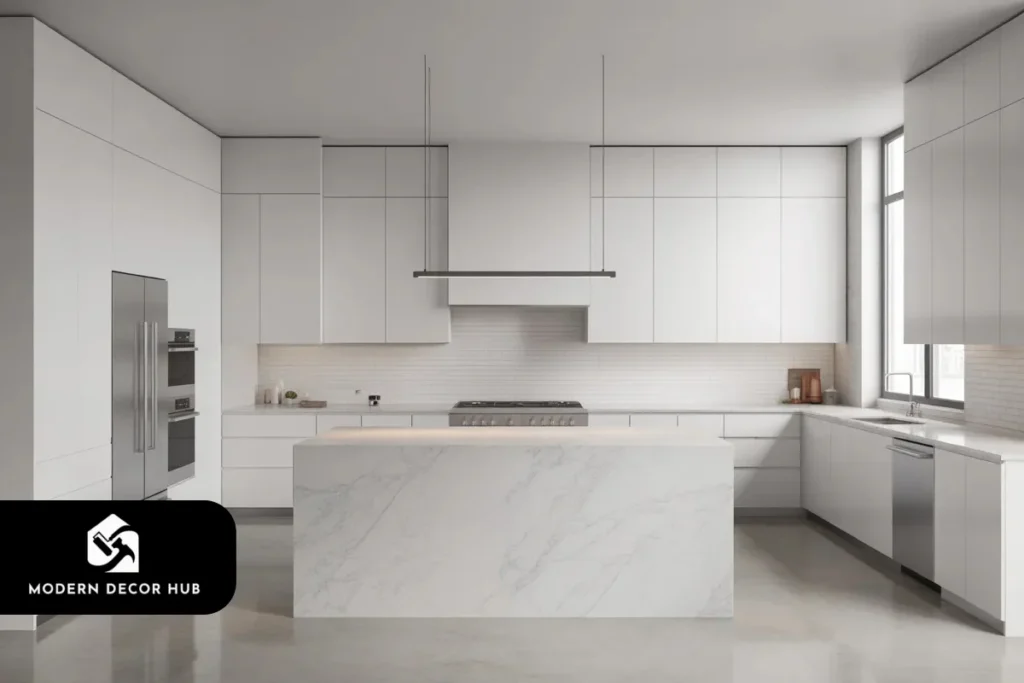
- Backsplashes: Mint-colored subway tiles with white grout offer a vintage yet clean feel.
- Hardware: Swap silver or chrome for brushed brass or copper. The warmth of the metal cuts through the coolness of the mint, creating a balanced luxury look.
The Bedroom: Optimization for Circadian Rhythms
In the bedroom, the goal of house decoration advice is sleep quality. Mint is ideal here because it doesn’t stimulate the brain like red or yellow.
- Layering: Layer different shades of mint—from “Seafoam” to “Pale Sage.” This creates a sophisticated, monochromatic depth that feels like a high-end hotel suite.
Materials and Textures: The “Hidden” Secret
Most homeowners focus only on paint, but home improvement is about what you can feel. To truly “merge” a professional design look into your home, you must consider:
- Light Woods: Ash, Beech, and Pine are the best companions for mint. Dark woods (like Mahogany) can sometimes make mint look “dated” or “muddy.”
- Stone & Ceramics: White marble with grey veining or matte-finished ceramic vases adds a layer of “permanence” to the decor.
- Natural Fibers: Linen curtains allow light to filter through, making the mint walls look different at various times of the day—a phenomenon called “Metamerism.”
Avoiding Common Mistakes in Mint Design
Even with the best interior decoration advice, things can go wrong. Here is what to avoid:
- Over-Matching: Don’t buy a mint rug, mint curtains, and a mint sofa. It will make the room feel “submerged.” Variety in shade is key.
- Poor Lighting: Mint can look “grey” or “muddy” in rooms with no natural light. If your room is dark, use “Cool White” bulbs (4000K) to keep the color looking crisp.
- Ignoring the Floor: A dark, reddish-brown floor can clash with mint. If you can’t change the floor, use a large neutral-colored rug to create a “buffer” between the floor and the mint elements.
Sustaining the Style: Long-Term Value
Is MintPalDecor a sustainable choice for house improvement? Absolutely. Because it is rooted in nature (Biophilia), it does not go out of style as quickly as “neon” or “industrial” trends. It provides a timeless base that can be easily updated by simply changing the 10% accent colors.
By focusing on balance, light, and texture, you can create a home that remains stylish and restorative for years to come.
Seasonal Adaptability: Optimizing MintPalDecor for Year-Round Comfort
One of the most common questions in house decoration advice is whether a specific color palette can survive the transition between seasons. Because mint is technically a “cool” color, beginners often worry that their home will feel too chilly during winter or too vibrant during autumn. However, the beauty of MintPalDecor lies in its versatility.
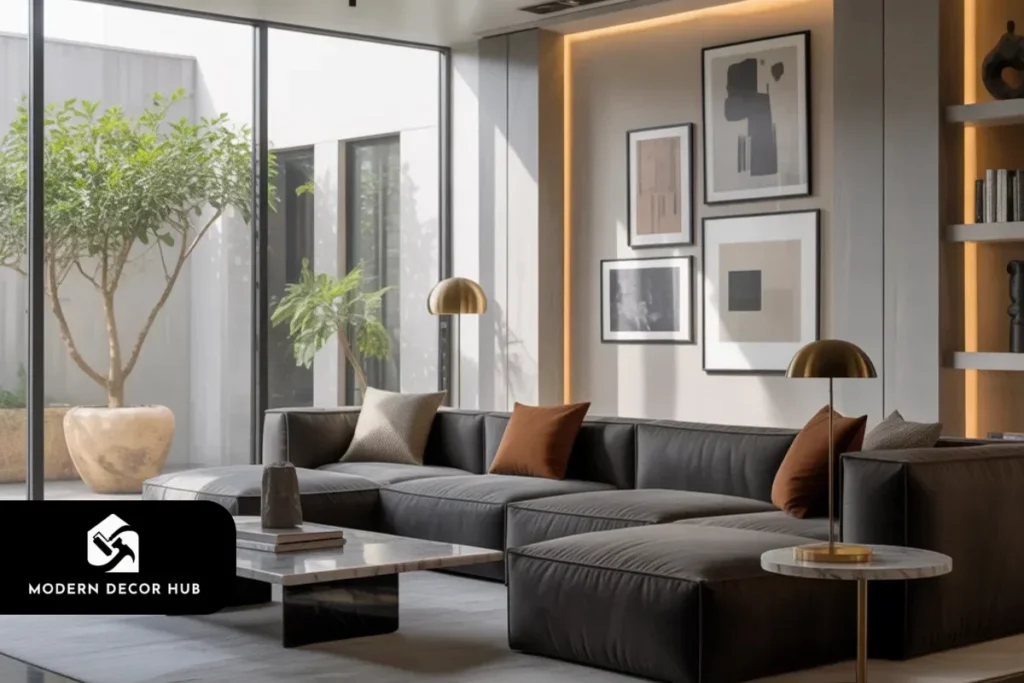
By making small, strategic adjustments, you can ensure your home improvement efforts stay relevant 365 days a year.
Summer: The Breathable Oasis
During the peak of summer, your interior should act as a visual cooling agent.
- The Fabric Pivot: Replace heavy drapes with breathable linens or sheer cotton panels. This allows maximum natural light to hit the mint surfaces, creating a bright, airy “outdoor-in” feel.
- Complementary Accents: Introduce “Cool Tones” like crisp whites, light greys, or even sky blue. This enhances the refreshing nature of the mint.
- Botanical Synergy: Use real greenery—such as ferns or eucalyptus—to reinforce the natural green undertones of your decor.
Winter: The “Cozy Mint” Concept
In winter, the goal of your house improvement strategy shifts toward “Warmth and Texture.” You don’t need to repaint; you just need to “layer.”
- Texture Overhaul: Swap out light cotton cushions for heavy-knit wool, faux fur, or thick velvet in mint or sage shades. These textures trap heat (visually and physically).
- Warm Counter-Colors: To balance the coolness of mint, introduce “Earth Tones” like burnt orange, mustard yellow, or deep chocolate brown. A mint wall paired with a mustard-colored throw blanket is a classic 2026 design trend.
- The Glow Factor: Use “Warm White” bulbs (2700K to 3000K) instead of cool daylight bulbs. When warm light reflects off a mint wall, it creates a soft, golden-green glow that feels incredibly cozy.
The Technical Side: Lighting and Metamerism
In interior decoration advice, “Metamerism” is a crucial concept. It refers to how a color looks different under different light sources.
- North-Facing Rooms: These rooms get cooler, bluer light. Here, your mint might look more like a “Seafoam” or grey-green.
- South-Facing Rooms: These get intense, warm sunlight. Your mint will look much more vibrant and “yellow-green.”
Before finalizing your house decoration, always test a paint sample on different walls to see how it reacts to the sun throughout the day. This attention to detail is what separates a DIY project from a professional-grade home improvement transformation.
Final Thought
MintPalDecor is more than just a color scheme; it is a commitment to “Mindful Living.” By blending refreshing tones with functional design, you create a home that doesn’t just look good, but feels restorative. The beauty of this style lies in its timelessness—it is flexible enough to evolve with the seasons and accessible enough for any budget.
When you apply these professional design principles, you aren’t just following a trend; you are future-proofing your sanctuary for 2026 and beyond. Now is the perfect time to breathe new life into your space.
Is MintPalDecor suitable for small apartments or dark rooms?
Absolutely. In fact, mint is one of the best colors for small spaces. Because it reflects light effectively, it can make a cramped or dark room feel much more open and “airy.” Just ensure you use a “Cool White” light bulb to keep the color from looking muddy.
What are the best colors to pair with mint?
For a modern look, pair mint with neutral whites, light greys, or sands. If you want a more luxurious feel, add accents of brushed gold or copper. For a bold, high-contrast look, deep navy blue or charcoal grey works perfectly.
Does MintPalDecor look too “childish” for a professional living room?
Not if it’s done right. The key is to avoid “pastel overload.” By mixing mint with mature textures like wood, metal, and leather, you elevate the color from a “nursery” look to a sophisticated, high-end design.
How can I try this style on a tight budget?
You don’t need to repaint your whole house. Start with small home improvement steps: swap out your throw pillows, add a mint-toned rug, or paint a small piece of furniture (like a coffee table) in a matte mint finish. These small details make a big impact.
Will this design style go out of fashion soon?
No. Mint is a “biophilic” color, meaning it is rooted in nature. Natural colors tend to be timeless. While specific furniture shapes might change, the refreshing and calming nature of the mint palette has remained a staple in house decoration advice for decades.